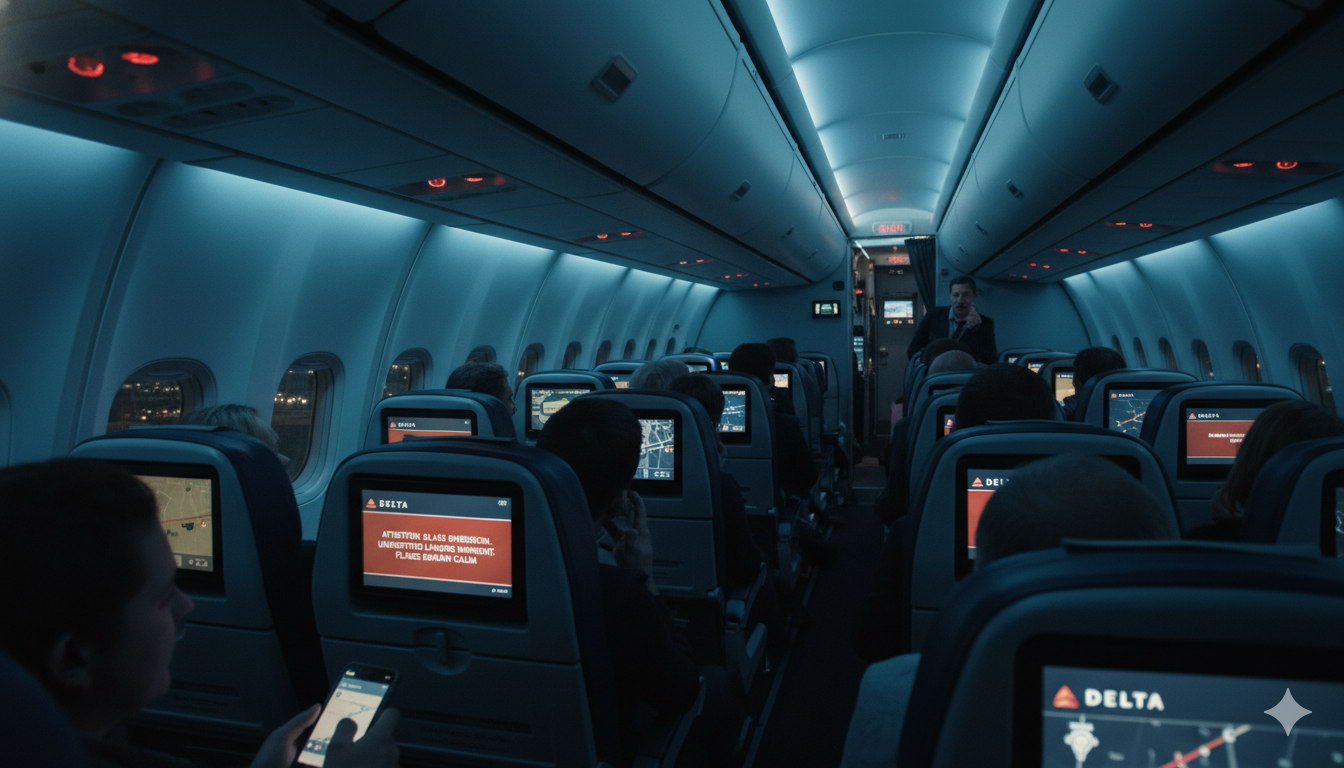
Planning a trip is one of life’s greatest joys. You pick a spot, pack your bags, and dream of new sights. But lately, the world feels like it is moving faster than ever. Between shifting weather patterns, local health updates, and political changes, keeping an eye on a Travel Warning is more than just a chore—it is a safety essential. Whether you are headed to the snowy peaks of Europe or the sun-drenched beaches of the Caribbean, knowing the “lay of the land” before you land is the key to a stress-free vacation.
In this guide, we will break down the latest updates for 2026. We want you to feel confident and prepared. We will cover everything from the u.s. issues travel warning alerts to specific regional updates for places like Cuba, Mexico, and Italy. Our goal is to give you the facts in a way that is easy to understand, so you can focus on making memories instead of managing mishaps. Let’s dive into what you need to know right now.
Understanding the Travel Warning Levels
Before we get into specific countries, let’s talk about what these warnings actually mean. Most governments use a four-level system. Level 1 means you should take normal precautions—just like you would at home. Level 2 suggests “increased caution” due to specific risks like petty crime. Level 3 is a serious “reconsider travel” alert. Finally, the do not travel warning 21 countries list (which changes often) is Level 4. This is for places with high risks of war, kidnapping, or natural disasters.
Knowing these levels helps you decide if a trip is right for you. For instance, a travel warning for a volcano might just mean avoiding one specific mountain, while a civil unrest warning might cover a whole country. Always check the official government websites for the most up-to-date details. They update these daily to keep you safe.
| Key Travel Safety Information | Details for 2026 |
|---|---|
| Primary Agency | U.S. Department of State / Global Affairs Canada |
| Highest Risk Level | Level 4: Do Not Travel |
| Common Countries on “Do Not Travel” | Venezuela, Russia, Sudan, Somalia, Yemen |
| Recommended Safety Program | STEP (Smart Traveler Enrollment Program) |
| Essential Document | Valid Passport (6+ months remaining) |
| Top Travel Tip | Always buy comprehensive travel insurance |
The Recent Switzerland Travel Warning Update
Switzerland is usually seen as one of the safest places on Earth. However, even the Swiss have updates you should know about. Currently, the switzerland travel warning is at a very low level, but there are new rules for 2026. The biggest change involves the ETIAS system. If you aren’t from the EU, you will soon need digital authorization to enter. This is a simple online form, but forgetting it could end your trip at the airport.
Also, travelers should be aware of the “biometric border” roll-outs. Major hubs like Zurich and Geneva are installing new kiosks. These can cause long lines while people get used to the new tech. If you have a tight connection, give yourself an extra hour. It is better to wait with a coffee than to run for a plane you might miss.
Canada Travel Warning: What North Americans Should Know
If you are a Canadian citizen, your government is very proactive about safety. The canada travel warning site recently updated several Caribbean destinations. They are watching things like local shortages and infrastructure issues. For example, the canada travel warning cuba status is a big topic right now. Cuba is beautiful, but it is currently facing shortages of fuel, electricity, and even some medicines.
This doesn’t mean you can’t go, but it does mean you should be prepared. Resorts usually have their own generators, so you might not even notice a power cut. However, if you plan to travel outside the tourist zones, bring extra supplies. A small flashlight and some basic snacks can go a long way. Being a prepared traveler makes you a more relaxed traveler.
Mexico Travel Warning: Staying Safe in Paradise
Mexico remains a top pick for travelers, but it is a big country with many different safety zones. The mexico travel warning for 2026 is specific. While places like Cancun and Puerto Vallarta are generally fine for tourists, some northern states have higher risk levels. The u.s. issues travel warning alerts often focus on areas with high crime rates that aren’t near the beaches.
One thing to keep an eye on is the “Spring Break” season. During this time, local authorities increase patrols in popular spots. To stay safe, use only licensed taxis or official ride-share apps. Avoid walking alone on the beach at night. Most importantly, stay aware of your surroundings. If you follow these simple rules, your Mexican getaway will be exactly what you dreamed of.
Bocas del Toro Travel Warning: Panama’s Hidden Gem
The bocas del toro travel warning is a great example of why details matter. Panama is safe overall, but this specific island group has seen a rise in “petty theft.” This usually means people taking bags left unattended on the beach. It is an “easy” warning to manage—just don’t leave your valuables in the sand while you go for a swim!
I once visited Bocas and felt completely safe, but I used the “buddy system.” One person stays with the gear while the others dive in. It is a simple habit that prevents 99% of problems. Also, remember that the islands are remote. If you get sick, it might take a while to get back to the mainland. Always carry a basic first-aid kit and drink bottled water to avoid “traveler’s tummy.”
Italy Travel Warning: Managing Crowds and Culture
Italy is a dream destination for food and art lovers. However, the italy travel warning for 2026 highlights a different kind of risk: over-tourism and strikes. Large crowds in Rome or Venice can lead to pickpocketing in busy squares. Also, Italy often has “transportation strikes” that can cancel trains or buses with little notice.
The germany issues travel warning notes for Italy also suggest being careful during the hot summer months. Heatwaves have become more common, and they can be dangerous if you aren’t hydrated. My advice? Visit the famous sites early in the morning or late in the evening. You will avoid the worst of the heat and the biggest crowds. Plus, the lighting for your photos will be much better!
Peru Travel Warning: Reaching Machu Picchu Safely
Peru is magical, but political protests can sometimes disrupt travel. The peru travel warning for 2026 advises travelers to check local news before heading to Cusco or the Sacred Valley. Protests can lead to roadblocks or train cancellations. If the trains stop, getting to Machu Picchu becomes very difficult.
It is also important to remember the altitude. Many people get “altitude sickness” when they arrive. Take it slow for the first two days. Drink plenty of water and try the local coca tea. It really helps! By respecting the mountains and staying informed about the local scene, you can have a truly spiritual and safe experience in the heart of the Andes.
Maldives Travel Warning: Tropical Serenity with Caution
The maldives travel warning is usually quite mild. This island nation is famous for its private resorts where safety is the top priority. However, the capital city of Malé can sometimes have political gatherings. If you are just flying into the airport and taking a boat to your resort, you likely won’t see any issues.
The u.s. canada travel warning for the Maldives suggests exercising normal caution in the capital. Also, be mindful of local customs. The Maldives is an Islamic nation, and while resorts are relaxed, the local islands require more modest clothing. Being a respectful guest is part of being a safe traveler. It builds goodwill with the locals and makes your trip much smoother.
American Airlines Holiday Travel Warning: Airport Tips
Sometimes a travel warning isn’t about a country, but about the travel process itself. The american airlines holiday travel warning for the upcoming season is all about weather and staffing. Winter storms can cause a “domino effect” of cancellations. If one plane is stuck in Chicago, it might affect your flight in Dallas.
To beat the holiday rush, try to book the first flight of the day. These are much less likely to be delayed. Also, download the airline’s app. If there is a change, you will often get a notification before the gate agent even makes an announcement. This gives you a head start on rebooking. Being tech-savvy is a great way to handle the stress of holiday travel.
Poas Volcano Costa Rica Travel Warning: Nature’s Power
Costa Rica is an eco-traveler’s paradise, but it is a land of active volcanoes. The poas volcano costa rica travel warning is currently active because the volcano likes to “burp” ash and gas. This can lead to temporary closures of the national park for safety.
Before you drive up the mountain, check the official park website. They have live cameras and sensors. If the gas levels are too high, they will close the gate. It is a good idea to have a “Plan B” activity just in case. Costa Rica has so many waterfalls and rainforests that you will always find something else amazing to do nearby.
Conclusion: Your Safety is Your Responsibility
Traveling the world is a wonderful privilege. While a travel warning might sound scary, it is actually a tool to help you. By staying informed, you can avoid the “hot spots” and enjoy the hidden gems. Remember to sign up for programs like STEP, buy good insurance, and keep your family updated on your plans.
The world is waiting for you! Whether you are exploring the streets of Tokyo after a china japan travel warning update or relaxing in the Caribbean despite a grenada travel warning us alert, being prepared is your best asset. Have you ever had a travel warning change your plans? Share your stories below and let’s help each other travel smarter!
Frequently Asked Questions (FAQs)
1. Where can I find the most current travel warning list? The best place to check is the official government website for your country. In the U.S., it is travel.state.gov. In Canada, look for travel.gc.ca. These sites are updated constantly with the latest safety info.
2. Is a “Level 2” warning dangerous? Not necessarily. Level 2 simply means “Exercise Increased Caution.” This is very common for popular places like France or the UK. It usually just means you should be aware of pickpockets in tourist areas.
3. Does travel insurance cover a “Do Not Travel” area? Most standard policies will not cover you if you travel to a country with a Level 4 “Do Not Travel” warning. Always read the fine print of your insurance before you go to a high-risk area.
4. What should I do if a travel warning is issued while I am on my trip? First, don’t panic. Check with your local embassy or consulate. Follow the advice of local authorities and stay in touch with your airline. It is also a good idea to let your family know you are safe.
5. Why did the u.s. issue a travel warning for Venezuela? The venezuela travel warning is currently at Level 4 due to high crime, civil unrest, and poor health infrastructure. The government advises that they have a limited ability to help citizens who get into trouble there.
6. Are there specific warnings for the 2026 holidays? Yes, often american airlines holiday travel warning alerts are issued for winter weather. Also, keep an eye out for “Worldwide Caution” alerts that are sometimes issued during busy travel seasons.